

News
сак . 22, 2024 16:13 Back to list
Meet the Secondary Macronutrients and the Micronutrients Your Plants Need
Meet the Secondary Macronutrients and the Micronutrients Your Plants Need
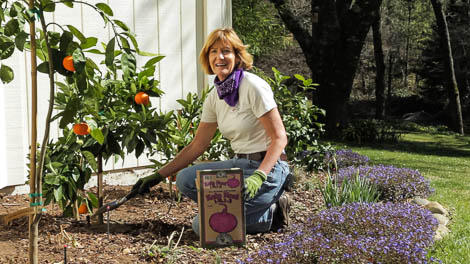
Essential Nutrition For Your Organic Garden
Micronutrients are essential for your plants, says Tricia in our video about secondary macronutrients and the micronutrients. You know about the major nutrients, N-P-K. Those are the symbols for the building blocks: nitrogen, phosphorus and potassium. They're represented by the three numbers on the front of fertilizer boxes or bags.
For more about them, check out our video here. With the lesser known micronutrients (like “molybdenum” -- if you can spell that you can probably win a Spelling Bee) you’ll need a lab soil test to know if any need to be added to your soil.
Let’s have a quick look at the major mineral nutrients, and then get to know the micronutrients and find out what they do for your plants.
Mineral Nutrients -- Do You Know the Seconday Micronutrients?
Soil has varying amounts of minerals. When it rains, or we irrigate our gardens, the minerals dissolve, and the plant roots absorb the minerals. Our friends N-P-K are the primary macronutrients. Also important are the secondary macronutrients:
 Magnesium supports chlorophyll production. Add it via dolomite, Diamond K Brand KMS or Azomite.
  Sulfur builds protein. Sulfur is released when “greens” like vegetable scraps and lawn cuttings decompose. Add it via gypsum, iron sulfate, and sulfur.
High-performance set retarder for calcium sulfate(gypsum) Retarder - HN150P
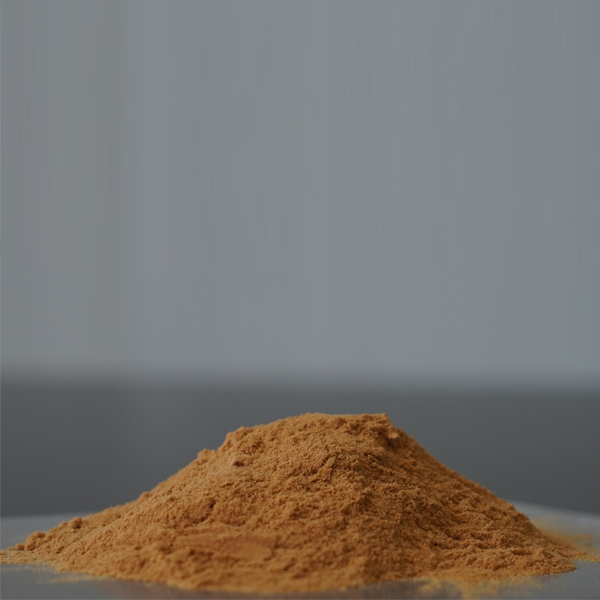
Meet the Micronutrients
We say “micro” because plants need only small amounts of them. Sometimes they’re even called “trace elements”. They all have a role to play, though. Let’s find out what they are, what they do, and how you can add them to your soil.
- Boron is a boss (or regulator) of other nutrients. Plants need it for seeds and fruit. Add it via powdered boron.
- Copper helps plants reproduce and boosts metabolism in roots.
- Chloride is another aid to plant metabolism. Iron assists in producing chlorophyll.
- Manganese breaks down carbohydrates, cooperating with enzyme systems.
- Molybdenum (in addition to being hard to spell) aids nitrogen use by plants.
- Zinc helps change carbohydrates into sugars, and it’s in plant growth enzymes too. Add it via zinc oxide, zinc sulfate, and zinc chelate.
How Do I Supplement for Micronutrients?

Want a supplement for the plants growing in your garden? One that contains many of these micronutrients? Try kelp, glacial rock dust, Azomite or (for fastest results) liquid kelp. Now that you know the basics of secondary macronutrients and the micronutrients, go get a lab test on your soil. Once you have the results, use organic fertilizers to add what you lack -- and you’ll be on your way to a garden full of healthy vegetables and bountiful harvests.
-
HN-170 EcoPower Polyamino Acid Retarder-Hebei Think-Do Chemicals|High Efficiency, Eco-Friendly
NewsSep.09,2025
-
gypsum retarder - Hebei Think-Do Chemicals|biodegradable, non-toxic
NewsSep.09,2025
-
HN-170 Gypsum Retarder-Hebei Think-Do Chemicals|Eco-Friendly, High-Efficiency, Biodegradable
NewsSep.09,2025
-
HN-170 EcoPower Polyamino Acid Retarder - Hebei Think-Do Chemicals|Gypsum Retarder, Biodegradable, Non-Toxic
NewsSep.09,2025
-
HN-170 EcoPower Polyamino Acid Retarder - Hebei Think-Do Chemicals | Eco-Friendly Gypsum Additive
NewsSep.09,2025
-
HN-170 EcoPower Gypsum Retarder - Hebei Think-Do Chemicals|Sustainable, Non-Toxic, High-Efficiency
NewsSep.09,2025
 Belarusian
  English
  Afrikaans
  Albanian
  Arabic
  Bosnian
  Bulgarian
  Croatian
  Czech
Czech  Danish
  Dutch
Dutch  Esperanto
  Estonian
  Finnish
  French
  German
  Greek
Greek  Hebrew
  Hindi
Hindi  Hungarian
  Icelandic
  Indonesian
  Irish
Irish  Italian
  Japanese
  Kazakh
  Korean
  Latin
Latin  Latvian
  Lithuanian
  Luxembourgish
  Macedonian
  Malay
Malay  Norwegian
  Persian
  Polish
  Portuguese
  Punjabi
  Romanian
  Russian
  Serbian
  Slovak
  Slovenian
  Spanish
  Swedish
  Tagalog
  Thai
Thai  Turkish
  Uzbek
Uzbek  Vietnamese