

News
Feb . 03, 2026 10:27 Back to list
Polyaspartic Acid: Advanced Green Water Treatment Polymer
Introduction
In today's environmentally conscious industrial landscape, water treatment faces unprecedented challenges: achieving operational excellence while meeting stringent sustainability standards. Enter polyaspartic acid (PASP), a revolutionary biopolymer that bridges this critical gap. Unlike conventional water treatment chemicals that often force a choice between performance and environmental responsibility, polyaspartic acid delivers both. This advanced polymer represents a paradigm shift in water treatment technology, offering superior functionality while maintaining an exceptional ecological profile. As industries worldwide seek green water treatment technologies, understanding polyaspartic acid's unique capabilities becomes essential for forward-thinking operations managers and environmental specialists alike.
Understanding Polyaspartic Acid: Chemistry and Properties
Polyaspartic acid is synthesized through the thermal polycondensation of L-aspartic acid, a naturally occurring amino acid. This process creates a polypeptide structure that mimics biological proteins, resulting in a water-soluble polymer with remarkable properties. The molecular structure features repeating amide linkages and carboxyl functional groups, creating what industry experts recognize as a truly versatile multifunctional water treatment polymer.
The distinctive characteristics of polyaspartic acid include:
Biodegradability and Environmental Compatibility
Polyaspartic acid demonstrates exceptional biodegradability, typically achieving over 60% degradation within 28 days according to OECD 301B standards. Unlike synthetic polymers that persist indefinitely in aquatic environments, PASP breaks down into harmless amino acid components that re-enter natural biochemical cycles. This complete environmental integration represents a fundamental advancement over traditional water treatment chemicals.
Thermal and Chemical Stability
PASP maintains effectiveness across a broad temperature range, with proven performance at temperatures exceeding 120°C (248°F). This thermal stability makes it suitable for demanding applications including boiler systems and high-temperature heat exchangers. Additionally, the polymer exhibits excellent chlorine tolerance, maintaining functionality in oxidizing environments where other organic treatments might degrade.
Multifunctional Performance Capabilities
The true innovation of polyaspartic acid lies in its ability to address multiple water treatment challenges simultaneously. A single application can provide:
- Scale and deposit control
- Corrosion inhibition
- Particulate dispersion
- Metal ion sequestration
This comprehensive approach reduces chemical inventory and simplifies treatment programs while improving overall system performance.
Mechanisms of Action: How Polyaspartic Acid Works
Crystal Modification and Scale Prevention
Polyaspartic acid operates through sophisticated threshold inhibition mechanisms. At remarkably low concentrations (typically 2-10 ppm), polymer molecules adsorb onto developing scale crystals, primarily calcium carbonate, calcium sulfate, and barium sulfate formations. This adsorption distorts crystal growth patterns, preventing hard, adherent scale while allowing fine particles to remain suspended for removal through blowdown or filtration. This mechanism explains why polyaspartic acid is considered a green water treatment technology - it prevents scale without introducing persistent chemicals or requiring excessive dosages.
Corrosion Inhibition Through Multiple Pathways
While primarily recognized for scale control, polyaspartic acid functions effectively as a corrosion inhibitor through several complementary mechanisms:
Surface Film Formation: The polymer creates a protective molecular layer on metal surfaces, forming a physical barrier against corrosive elements in water systems. This film is particularly effective in minimizing under-deposit corrosion, a common challenge in industrial water systems.
Metal Ion Sequestration: As an efficient chelating agent, polyaspartic acid binds free metal ions that could participate in corrosion reactions. This sequestration reduces the availability of ions that accelerate corrosion processes, providing supplementary protection that enhances primary corrosion control strategies.
pH Stabilization: The buffering capacity of polyaspartic acid helps maintain optimal pH conditions for corrosion control, particularly in systems where pH fluctuations might otherwise accelerate metal degradation.
Dispersion and Fouling Control
Beyond scale and corrosion management, polyaspartic acid excels as a dispersant for suspended solids, including silt, clay particles, iron oxides, and microbial debris. The polymer's negatively charged chains adsorb onto particulates, creating electrostatic repulsion that prevents agglomeration and deposition. This dispersion capability maintains clean heat transfer surfaces and optimal hydraulic conditions in cooling systems and membrane applications.
Environmental Advantages: The Green Technology Perspective
The question of why polyaspartic acid is considered a green water treatment technology merits detailed examination from multiple environmental perspectives:
Reduced Ecological Impact
Traditional water treatment chemicals often present significant environmental challenges, including persistence, bioaccumulation, and toxicity to aquatic organisms. Polyaspartic acid addresses these concerns through its inherent environmental profile:
Low Aquatic Toxicity: PASP demonstrates minimal toxicity to aquatic life, with LC50 values typically exceeding 100 mg/L for sensitive species. This safety profile allows responsible discharge without specialized treatment or concerns about ecological damage.
Phosphorus-Free Formulation: Unlike phosphonate-based alternatives that contribute to eutrophication, polyaspartic acid contains no phosphorus, eliminating this environmental concern entirely.
Non-Bioaccumulative: The polymer breaks down completely without accumulating in sediments or biological tissues, ensuring long-term environmental safety.
Sustainable Lifecycle Considerations
From production through application to final degradation, polyaspartic acid demonstrates environmental advantages:
Renewable Precursors: PASP synthesis utilizes biological feedstocks rather than petroleum-based materials, reducing dependence on fossil resources.
Manufacturing Efficiency: Production processes generate minimal hazardous byproducts, with water as the primary manufacturing solvent in many cases.
Transportation Efficiency: High efficacy at low dosages reduces the volume of chemicals required, decreasing transportation impacts and packaging waste throughout the supply chain.
Regulatory Compliance Advantages
Increasingly stringent global regulations favor biodegradable, low-toxicity water treatment solutions. Polyaspartic acid meets current and anticipated regulatory requirements across multiple jurisdictions, including:
- REACH regulations in the European Union
- Vessel General Permit requirements
- Industrial wastewater discharge standards
- Marine environmental protection guidelines
This regulatory alignment provides operational certainty and reduces compliance costs for industrial facilities.
Industrial Applications and Implementation Strategies
Cooling Water Systems
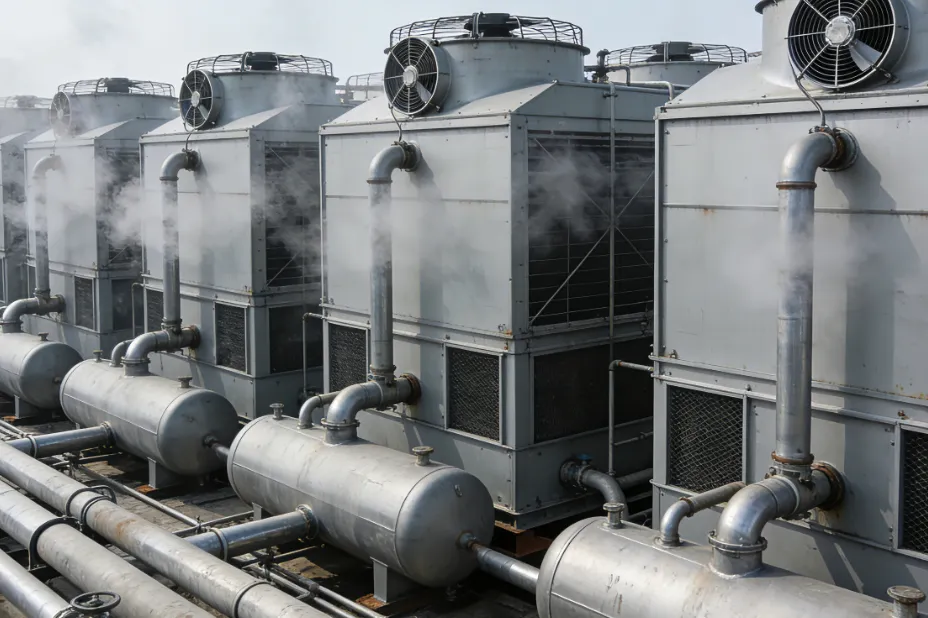
In both once-through and recirculating cooling systems, polyaspartic acid provides comprehensive protection while maintaining environmental compliance. Applications include:
Scale Prevention: Effective control of carbonate, sulfate, and phosphate scales at significantly lower dosages than conventional treatments.
Fouling Control: Superior dispersion of suspended solids and insoluble oxides maintains clean heat transfer surfaces and optimal system efficiency.
Corrosion Mitigation: Supplementary corrosion protection enhances primary treatment programs, particularly in systems with mixed metallurgy.
The polymer's chlorine compatibility makes it particularly valuable in systems using oxidizing biocides for microbial control.
Boiler Water Treatment Applications
For operations seeking an environmentally-friendly scale and corrosion inhibitor for boiler water treatment, polyaspartic acid offers a compelling solution. Key applications include:
Feedwater Treatment: Effective dispersion of suspended solids prevents deposit formation in pre-boiler sections and economizers.
Steam Generation Systems: Withstands high-temperature and pressure conditions while preventing scale formation on heat transfer surfaces.
Condensate Return Lines: Provides corrosion protection in return systems without introducing non-volatile components that could contaminate steam.
The thermal stability of polyaspartic acid ensures consistent performance throughout boiler systems, from feedwater heaters to superheaters.
Membrane Protection in Water Purification
Reverse osmosis and nanofiltration systems benefit significantly from polyaspartic acid's unique properties:
Broad-Spectrum Scale Control: Effective prevention of silica-based scales that challenge traditional inhibitors.
Membrane Compatibility: Non-fouling characteristics maintain membrane permeability and extend cleaning intervals.
Environmental Safety: Biodegradable profile aligns with potable water applications and responsible concentrate disposal.
Oilfield and Mining Operations
In extractive industries facing increasing environmental scrutiny, polyaspartic acid provides effective water treatment while meeting discharge regulations:
Produced Water Management: Controls scale in injection wells and production equipment without introducing environmental liabilities.
Mineral Processing: Disperses fine particulates in process waters, improving separation efficiency and water recovery.
Tailings Management: Environmentally responsible treatment of process water streams before discharge or reuse.
Manufacturing and Process Industries
Across industrial sectors, polyaspartic acid applications include:
Textile Manufacturing: Prevents deposit formation in dye baths and finishing operations while meeting wastewater standards.
Pulp and Paper Production: Controls scale in digesters, washers, and bleach plants while improving fiber recovery.
Food and Beverage Processing: Safe for incidental food contact applications where traditional chemicals might raise contamination concerns.
Technical Implementation and Optimization
Dosage Determination and Adjustment
Effective polyaspartic acid application requires careful dosage optimization based on specific system parameters:
Water Chemistry Factors: Calcium hardness, alkalinity, silica content, and pH significantly influence required dosages.
System Operating Conditions: Temperature, flow rates, and concentration cycles determine treatment requirements.
Performance Objectives: The balance between scale control, corrosion inhibition, and dispersion needs influences dosage strategy.
Typical application ranges from 3-15 ppm active concentration, with regular monitoring enabling precise adjustments to changing conditions.
Compatibility with Other Treatment Components
Polyaspartic acid demonstrates excellent compatibility with most common water treatment additives:
Corrosion Inhibitors: Compatible with molybdate, zinc, and silicate-based inhibitors in blended treatment programs.
Biocides: Stable with both oxidizing and non-oxidizing microbial control agents.
Other Polymers: Can be formulated with complementary polymers for enhanced performance in challenging applications.
pH Control Agents: Compatible with acid feed systems and alkaline additives for pH adjustment.
Performance Monitoring and Control
A comprehensive monitoring program ensures optimal polyaspartic acid performance:
Water Chemistry Analysis: Regular testing of scaling indices, corrosion parameters, and treatment residuals.
Deposit Monitoring: Coupon studies, heat exchanger inspections, and deposit analysis verify treatment effectiveness.
System Performance Metrics: Monitoring heat transfer efficiency, pressure differentials, and flow rates identifies treatment optimization opportunities.
Environmental Compliance Testing: Regular analysis of discharge streams ensures continued regulatory compliance.
Comparative Analysis with Traditional Technologies
Performance Comparison
Polyaspartic acid offers several performance advantages over conventional water treatment chemicals:
Broader Scale Control: Effective against multiple scale types simultaneously, reducing the need for chemical cocktails.
Enhanced Thermal Stability: Maintains effectiveness at higher temperatures than many organic phosphonates.
Superior Dispersion: Beyond scale prevention, provides excellent particulate dispersion that maintains system cleanliness.
Wider Operating Range: Effective across broader pH and hardness ranges than many conventional treatments.
Environmental Advantages
The environmental benefits of polyaspartic acid become clear when compared to traditional options:
Biodegradability vs. Persistence: Complete environmental breakdown versus indefinite persistence of synthetic polymers.
Low Toxicity vs. Environmental Impact: Minimal ecological effects versus potential toxicity of metal-based inhibitors.
Regulatory Alignment vs. Restrictions: Meets current and anticipated regulations versus increasing restrictions on traditional chemicals.
Sustainable Sourcing vs. Petroleum Dependence: Renewable biological precursors versus petroleum-based feedstocks.
Economic Considerations
While initial chemical cost may appear higher than some conventional options, polyaspartic acid delivers superior value through:
Reduced Operational Costs: Lower energy consumption from maintained heat transfer efficiency.
Extended Equipment Life: Minimized corrosion and deposit-related damage to capital equipment.
Simplified Compliance: Reduced environmental monitoring and reporting requirements.
Decreased Maintenance: Fewer mechanical cleanings and associated downtime.
Most installations achieve return on investment within 12-24 months through these operational benefits.
Quality Considerations and Industry Standards
When evaluating polyaspartic acid products, several factors indicate quality and reliability:
Manufacturing Consistency: Reputable producers maintain strict quality control throughout synthesis, ensuring batch-to-batch consistency in molecular weight distribution and performance characteristics. Companies like Hebei Think-Do Chemicals Co., Ltd. implement rigorous quality assurance protocols that guarantee product reliability across diverse industrial applications.
Technical Specifications: High-quality polyaspartic acid products provide detailed specifications including:
- Molecular weight range and distribution
- Biodegradability certification (OECD, ISO standards)
- Purity levels and impurity profiles
- Performance data under standardized test conditions
Industry Certifications: Quality manufacturers maintain relevant certifications including ISO 9001 for quality management and environmental product declarations that verify sustainability claims.
Technical Support Capabilities: Beyond product quality, manufacturers should provide comprehensive application support, including system evaluation, treatment optimization, and troubleshooting assistance.
Frequently Asked Questions
Q1: How does polyaspartic acid compare to traditional scale inhibitors in high-temperature applications?
A: Polyaspartic acid demonstrates superior thermal stability compared to many organic phosphonates and synthetic polymers. While conventional treatments may degrade at temperatures above 80°C (176°F), polyaspartic acid maintains effectiveness at temperatures exceeding 120°C (248°F). This thermal resistance makes it particularly valuable in boiler systems, high-temperature heat exchangers, and industrial processes where elevated temperatures challenge conventional water treatments.
Q2: Can polyaspartic acid be used in potable water systems?
A: Yes, polyaspartic acid is suitable for potable water applications when manufactured to appropriate purity standards. The polymer's biodegradability and low toxicity profile make it preferable to many conventional treatments for drinking water systems. Specific formulations may carry NSF certification for drinking water applications, though verification with manufacturers is recommended for potable water use.
Q3: What monitoring parameters are most important for polyaspartic acid applications?
A: Key monitoring parameters include scaling indices (LSI, PSI), corrosion rates (via coupons or probes), suspended solids levels, and treatment residual concentrations. Additionally, regular visual inspections of critical equipment and periodic deposit analysis provide valuable performance verification. For systems with specific environmental compliance requirements, discharge stream monitoring ensures continued regulatory adherence.
Q4: How should facilities transition from conventional treatments to polyaspartic acid?
A: A systematic transition approach includes:
- Comprehensive water and system analysis to establish baseline conditions
- Compatibility testing with existing treatment residuals
- Phased implementation, beginning with parallel treatment and gradual concentration adjustment
- Intensive monitoring during transition to optimize dosage and identify adjustment needs
- Staff training on monitoring procedures and response protocols
Many facilities achieve optimal results within 4-8 weeks of implementation initiation.
Q5: What evidence supports the environmental claims for polyaspartic acid?
A: Multiple lines of evidence validate polyaspartic acid's environmental profile:
- Standardized biodegradability testing (OECD 301, ISO 14851) demonstrating rapid environmental breakdown
- Aquatic toxicity studies with multiple species confirming low ecological impact
- Environmental fate analysis using advanced tracking methodologies
- Lifecycle assessment studies comparing environmental impacts across treatment options
- Long-term field monitoring in diverse industrial applications
This comprehensive evidence base consistently supports the polymer's classification as an environmentally advanced water treatment technology.
Conclusion
The evolution of industrial water treatment has reached an inflection point where environmental responsibility and operational excellence must converge. Polyaspartic acid represents this convergence, offering a scientifically advanced solution that addresses the complex challenges of modern water management. As industries worldwide face increasing pressure to reduce environmental impact while maintaining competitive performance, technologies like polyaspartic acid provide a pathway to sustainable operations.
The unique combination of multifunctional performance, environmental compatibility, and operational efficiency positions polyaspartic acid as more than just another water treatment chemical. It represents a fundamental advancement in how industries approach water management—recognizing that long-term operational success depends on environmental stewardship. As regulatory frameworks continue evolving toward stricter environmental standards, early adoption of advanced technologies like polyaspartic acid provides both compliance assurance and competitive advantage.
For operations seeking to future-proof their water treatment programs while improving environmental performance, polyaspartic acid offers a compelling solution. Its proven effectiveness across diverse applications, combined with its exceptional environmental profile, makes it an essential consideration for any forward-thinking industrial operation. As the water treatment industry continues its progression toward sustainable technologies, polyaspartic acid stands positioned at the forefront of this important transition, ready to help industries achieve their performance and environmental objectives simultaneously
-
Methylglycine Diacetic Acid Trisodium Salt (MGDA) vs. Citric Acid in Diverse Applications
NewsApr.27,2026
-
Methylglycine Diacetic Acid Trisodium Salt (MGDA) vs. Traditional Chelating Agents in Industrial Applications
NewsApr.27,2026
-
Unveiling the Wonders of Polyaspartic Acid in Aquaculture
NewsApr.20,2026
-
Polyaspartic Acid: A Rising Star in the Realm of Cosmetics and Skincare
NewsApr.20,2026
-
Polyaspartic Acid vs. EDTA in Agriculture: A Comparative Analysis
NewsApr.14,2026
-
Polyaspartic Acid vs. EDTA in Industrial Applications: A Comprehensive Comparison
NewsApr.14,2026
 English
  Afrikaans
  Albanian
  Arabic
  Belarusian
  Bosnian
  Bulgarian
  Croatian
  Czech
Czech  Danish
  Dutch
Dutch  Esperanto
  Estonian
  Finnish
  French
  German
  Greek
Greek  Hebrew
  Hindi
Hindi  Hungarian
  Icelandic
  Indonesian
  Irish
Irish  Italian
  Japanese
  Kazakh
  Korean
  Latin
Latin  Latvian
  Lithuanian
  Luxembourgish
  Macedonian
  Malay
Malay  Norwegian
  Persian
  Polish
  Portuguese
  Punjabi
  Romanian
  Russian
  Serbian
  Slovak
  Slovenian
  Spanish
  Swedish
  Tagalog
  Thai
Thai  Turkish
  Uzbek
Uzbek  Vietnamese